
Missed our Pride event with PowerToFly? Catch the replay.
We partnered with PowerToFly for an engaging Pride event focused on moving past performative allyship and creating the conditions to advocate for yourself and others, all year long.
Watch the full recording below to hear how to amplify your voice and visibility, ways to lean in as an ally to create space for others, and how to unlock professional growth opportunities — plus strategies and actionable insights you can start using in your daily life today.

What You'll Walk Away With
After watching the session, you will gain the following insights and actionable steps:
Allyship gaps often come from good intentions without an understanding of power dynamics — not a lack of care.- Action: Before stepping in to advocate for someone, ask them directly: "What do you want me to do?" Let them keep agency over the outcome.
- Action: Before adopting a visible symbol of allyship (a pin, a badge, a bio update), ask yourself what concrete action you're backing it up with.
- Action: Have transparent conversations with colleagues in similar roles about access to raises, bonuses, and development programs — not from resentment, but to understand what's happening more broadly.
- Action: If your environment doesn't feel safe enough to advocate for yourself directly, identify one ally with more organizational influence and loop them in instead. Document key conversations in writing.
- Action: When you're part of planning or advocating for an inclusive space or event, explicitly ask whether it's accessible — don't assume someone else has checked.
- Action: Decide intentionally how visible you want to be at work, and give yourself permission to say no to opportunities that feel like tokenization rather than genuine growth.
- Action: Take 30 minutes this week to reflect on your own biases and any positions of power or privilege you hold — it's the first and most powerful step toward showing up for others.
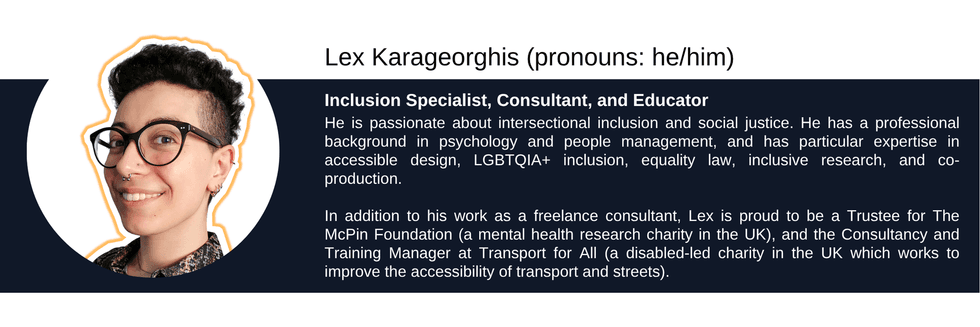
Who You'll Hear From
Stream the Session

What Comes Next?
After watching the recording, please take a few minutes to complete our FEEDBACK SURVEYYour insights will help us enhance future sessions.
- 15Five
- 1Password
- 2U, Inc.
- 33Across
- 7Park Data, Inc.
- AAA
- Abbvie
- Accenture
- ActZero.ai
- Adidas
- Adobe Systems Incorporated
- ADP
- AdRoll
- Aetna
- Aetna, a CVS Health Company
- Afterpay
- Airkit
- AlertMedia
- Alloy
- Amazon
- AMC Networks
- American Express Company
- Andela
- Apartment Therapy Media
- Apple
- AppNexus, a Xandr Company
- Arch Insurance
- Arize AI
- Arrow Electronics
- Art Processors
- Asana
- Ask Rachel
- ASM
- Atlassian
- Attune Insurance Services, LLC
- Audible
- Aurora Solar
- Autodesk
- Automattic
- Avaaz
- Avanade
- Avery Dennison
- Back Market
- Bank of America
- Better Companies
- Better Mortgage
- BioRender
- Black Community
- BlackRock
- Blockstack
- Blog
- Bloomberg LP
- Blue Cross and Blue Shield North Carolina
- Bluecore Inc
- Boeing
- BounceX
- Bounteous
- Braintree
- Bridgewater Associates
- Bristol Myers Squibb
- Buffer
- Bumble
- Buzzfeed
- Cable News Network, Inc.
- CallRail
- Calm
- Camunda
- Capco
- Capital One
- Carbon Direct
- CardFlight
- Career and Interview Tips
- CarGurus
- Carvana
- Casper
- CB Insights
- CDW
- Celonis
- CenturyLink Inc.
- Chainalysis Inc.
- charity: water
- Checkr
- CHG Healthcare
- Chingari
- Chubbies
- Ciena
- CircleCI
- Cisco Meraki
- Citi
- Clarus Commerce
- Clarvida
- CLEAR
- CloudBees, Inc.
- Cloudflare
- CLS
- Clyde
- Co-Op
- Cockroach Labs
- Collective Insights
- Collins Aerospace
- Comlinkdata
- Commvault
- Companies That Care
- Compass
- Condé Nast
- Contentful
- Contrast Security
- Convoy
- Costar Group
- CoverMyMeds
- Cribl
- Crowdstreet
- Cruise
- CSL
- CU Direct
- Culture Amp
- Cummins
- Dassault Systemes
- Datadog
- Def Method
- Deliveroo
- Delivery Hero
- Dell Technologies
- Deloitte
- Delphix
- Deutsche Bank AG
- DigitalOcean
- Dishcraft Robotics
- Diversity Reboot Newsletter
- Diversity Reboot Summit 2020 Product Expo
- Diversity Reboot Summit 2021 Virtual Booths
- Diversity Reboot Summit Speakers
- DocuSign
- Dow Jones Company
- DreamSpring
- Dropbox
- Duck Creek Technologies
- DuckDuckGo
- dv01
- Dynatrace
- EDO, Inc
- Elastic
- Enbridge
- Energy Impact Partners
- EnerSys
- Equinix
- Esri
- Expedia Group
- Fair
- FairFrame
- Featured Post
- Featured Talks
- Fidelity
- Flatiron Health Inc
- Flexport, Inc.
- Flocabulary
- Flywheel
- Folsom Labs
- For Employers
- Forbes Media
- Forward
- Freddie Mac
- FTI Consulting
- fuboTV
- G2i
- Gainsight, Inc.
- Gamechanger
- Gantry
- General Assembly
- GitLab
- GoEuro Travel GmbH
- Goldman Sachs
- Good Money
- Google Inc
- GoTo
- Greenhouse Software
- Guru
- Halliburton
- HashiCorp
- Headway
- HealthEdge
- Healthfirst Inc
- Hearst
- Helix
- Helm
- Help Scout
- Hitachi Energy
- Homecare Homebase
- Hopin LTD
- Hult EF
- Hyperloop
- impact-com
- Imply
- In Person Events
- InDebted
- Indeed
- insightsoftware
- Intent
- Intuit
- Intuitive
- Invesco
- Jama Software
- Jamf
- Jemstep
- Jobs
- Johnson & Johnson
- Join Now
- Joor Inc
- Juniper Networks, Inc.
- Justworks
- JW PLAYER
- Kami
- Karat
- Kargo
- Katharine Zaleski's Blog
- Kensho Technologies
- KeyCaliber
- Kin + Carta
- Kinaxis
- Kinesso
- Kiva
- Knotel, Inc.
- L3 Technologies
- Lattice
- LendingClub
- LetsGetChecked
- Liberty Hill Foundation
- Light & Wonder
- LiveSafe
- Lockheed Martin
- Log In
- Logickull
- Logikcull
- Logitech
- Logiworks
- Lyft
- Managed By Q Inc
- Manifold.co
- Marqeta
- Mastercard
- Match Group
- Match.com
- McMaster-Carr Supply
- Meredith Corporation
- Meta
- Metromile, Inc.
- Microsoft Corporation
- Millennium Management
- Mindbody
- MiQ
- Mission
- Mitsubishi Power
- MongoDB
- Moody's
- Moov Financial
- Morgan Stanley
- Morning Consult
- Motivate
- Munich RE
- MURAL
- MyFitnessPal
- Myriad360
- Nacelle
- nascar
- National Geospatial-Intelligence Agency
- National Security Agency (NSA)
- Nba
- NBCUniversal
- Nestlé
- Netskope
- New Relic
- New York Life Insurance Company
- Nextdoor.com, Inc.
- Nike Inc
- Nokia
- Noodle
- Northrop Grumman
- Novelis Inc.
- Nowsta
- OfferUp
- OkCupid
- Okta, Inc.
- Olive
- One Medical
- OneLogin, Inc.
- OpenTable
- Optoro
- ORTEC
- Oscar Insurance Corp
- OUTFRONT Media Inc.
- Pacific Western Bank
- Packet
- PagerDuty
- Partnership on AI to Benefit People and Society
- Pax Labs Inc
- Pax8
- Paylocity
- Paypal
- Peloton
- PepsiCo
- Philo
- Pitney Bowes Inc.
- PlayStation
- Plectica
- Plenty Of Fish
- Plex
- Pluralsight
- Polis, Inc.
- popular
- PowerToFly Hires
- PowerToFly VIP
- Press
- Previous Event
- Priceline
- Primer
- Procore Technologies Inc
- Product Updates
- Projector
- PromptWorks
- PwC
- pymetrics
- Qualtrics
- Quicken Loans
- Quip
- Random
- RapidScale
- RapidSOS
- Raytheon Technologies
- Realtor.com
- RebelMouse
- RebelMouse Test
- Reddit, Inc.
- Reference Point
- Relativity
- Remote
- Remote Hiring
- Rest Of World
- Ribbon
- Riot Games Inc
- Rockstar Games
- Rover
- RTB House
- S&P Global Inc
- Samsara
- Sapient Consulting
- Sauce Labs
- Schneider Electric
- ScienceLogic
- Scout RFP
- SeatGeek
- SendGrid
- Sentropy Technologies
- Sephora
- ServiceNow
- SevenFifty
- Shield AI
- Shogun
- Shopify Inc.
- Shure
- Siemens
- Skedulo
- Slack Technologies, LLC, a Salesforce company
- Smartsheet Inc.
- Snap Inc.
- SoftwareOne
- Solo Brands
- Solstice
- Sonos
- SoundCloud Inc.
- Spectrum
- Splunk
- Spoiler Alert
- Spot AI
- Spotify
- Stack Overflow
- Stash
- State Listings Inc.
- Stem Disintermedia
- StockX LLC
- Stripe
- Stryker
- SumOfUs
- Sun Life US
- Surescripts LLC
- SV Academy
- Symantec
- Synchrony
- T Rowe Price
- Tackle.io
- Talent Sourcing Trends
- Tandem Diabetes
- Teachers Pay Teachers
- Tech Talk
- Tenable
- Tesla
- Testimonials
- Textio
- Thales Usa Inc.
- The Recycling Partnership
- The Walt Disney Company
- Thomson Reuters
- Thornburg Investment Management
- Thoughtbot
- Thrive Global
- Thumbtack
- Time Inc
- Tinder
- Tiny Mile
- Tiugo Technologies
- TodayTix
- Trail of Bits
- TrussWorks, Inc
- TURO
- Uber
- Ubiquity6
- Udemy
- UiPath, Inc.
- UKG
- United Technologies
- UnitedHealth Group
- Unstoppable Domains
- Upcoming Event
- uShip, Inc.
- Vanguard
- varicent
- Veracode
- Verisign
- Verizon Communications
- Viacom Inc.
- Viasat
- VICE Media Group
- VideoAmp
- Virtu Financial
- Visa
- Vizient
- Vouch Insurance
- Vrbo
- VTS
- Waters Corporation
- Wayfair Inc.
- Webinars
- Wells Fargo Company
- WeWork
- Wolters Kluwer
- Women at Work
- Work & Co
- Work-Life Integration
- Workiva
- WW (Formerly Weight Watchers)
- Yelp Inc.
- YouCanBook.me
- Yougov
- Zapier Inc
- Zendesk, Inc.
- Zeta Global
- Zillow
- Zoom
- ZwillGen
- Zynga