Nurturing a culture of care at Hearst means fostering authentic connections and embracing diverse experiences, including those of neurodivergent individuals, according to ESG Manager Isabel Fields. Through the Neurodiversity@Hearst initiative, Hearst is cultivating an inclusive environment for individuals who experience the world differently, including those with ADHD, autism and dyslexia.
The program’s success is reflected in the positive impact it has on colleagues, with personal stories from those who have found support through the initiative. “We often hear from colleagues who've learned about the program, and it means so much to them because they have ADHD, their child has autism, or it resonates with their personal experiences,” says Isabel. The program serves as a supportive structure for current colleagues and an invitation for future neurodivergent talent, ensuring everyone is valued for their unique perspectives and skills.
Introducing Neurodiversity@Hearst
Isabel, with a background in social impact, corporate social responsibility (CSR) and non-profit development, is committed to leveraging corporate partnerships to create a more equitable world. Drawing on her experience, she helped create the Neurodiversity@Hearst initiative, now entering its third cohort. This 15-week internship, continuing in summer 2025, will provide opportunities for early-career individuals with autism, ADHD, dyslexia, and other neurodivergent traits.
“The program is focused on creating an inclusive environment that not only supports the unique strengths and needs of neurodivergent individuals but also benefits everyone,” says Isabel. “Studies show that managers who lead through a neurodiverse lens have more productive teams, and embracing diverse perspectives drives innovation and creativity. With 1 in 5 people in the United States identifying as neurodiverse, this program helps foster a culture where everyone can thrive and contribute their unique talents.”
 Isabel Fields, ESG manager at Hearst
"Programs like this allow us to bring in brilliant minds that haven’t had the opportunity to be heard before. Our teams are better, and our products are more impactful."
MARC ZUKERMANSenior director of the Project Management Office and Service Delivery at Hearst Technology Services and a supervisor in a previous Neurodiversity@Hearst cohort
"The Neurodiversity@Hearst internship program was a great opportunity for me to gain experience, despite having a computer science degree but limited tech experience. My manager and Isabel provided strong support, and were always available to help when I had questions. Disclosing my neurodivergence (autism and ADHD) was made easy, knowing I wouldn’t be treated differently. After my internship was converted to a full-time position, Isabel continues to check in, and I truly value this experience!"
ALEX LEVINSON Associate QA engineer at CDS Global part of Hearst Magazines.
Hearst’s commitment to disability inclusion also means ensuring its digital platforms are accessible for all. As part of this effort, Hearst Technology Services (HTS) has onboarded Evinced, its first enterprise-wide web accessibility platform, to ensure accessibility across its websites—from consumer media to B2B platforms.
“This initiative is closely tied to our neurodiversity efforts,” Isabel says. “Accessible digital experiences benefit individuals with physical disabilities and those with cognitive differences such as ADHD, dyslexia or autism. By prioritizing web accessibility, we’re creating digital environments that are intuitive and equitable, furthering our mission to foster belonging and access for all individuals, both within and beyond the workplace."
These types of inclusive programs benefit everyone, from ensuring websites feature readable font sizes to creating environments with appropriate lighting, making spaces more accessible and enjoyable for all.
Supporting Culture and Collaboration
Hearst’s approach to neurodiversity in the workplace reflects the company’s broader commitment to fostering an inclusive environment. This mindset is shaped in part by hosting events like the Neurodiversity@Work Summit and partnering with organizations such as Understood.org and Integrate.
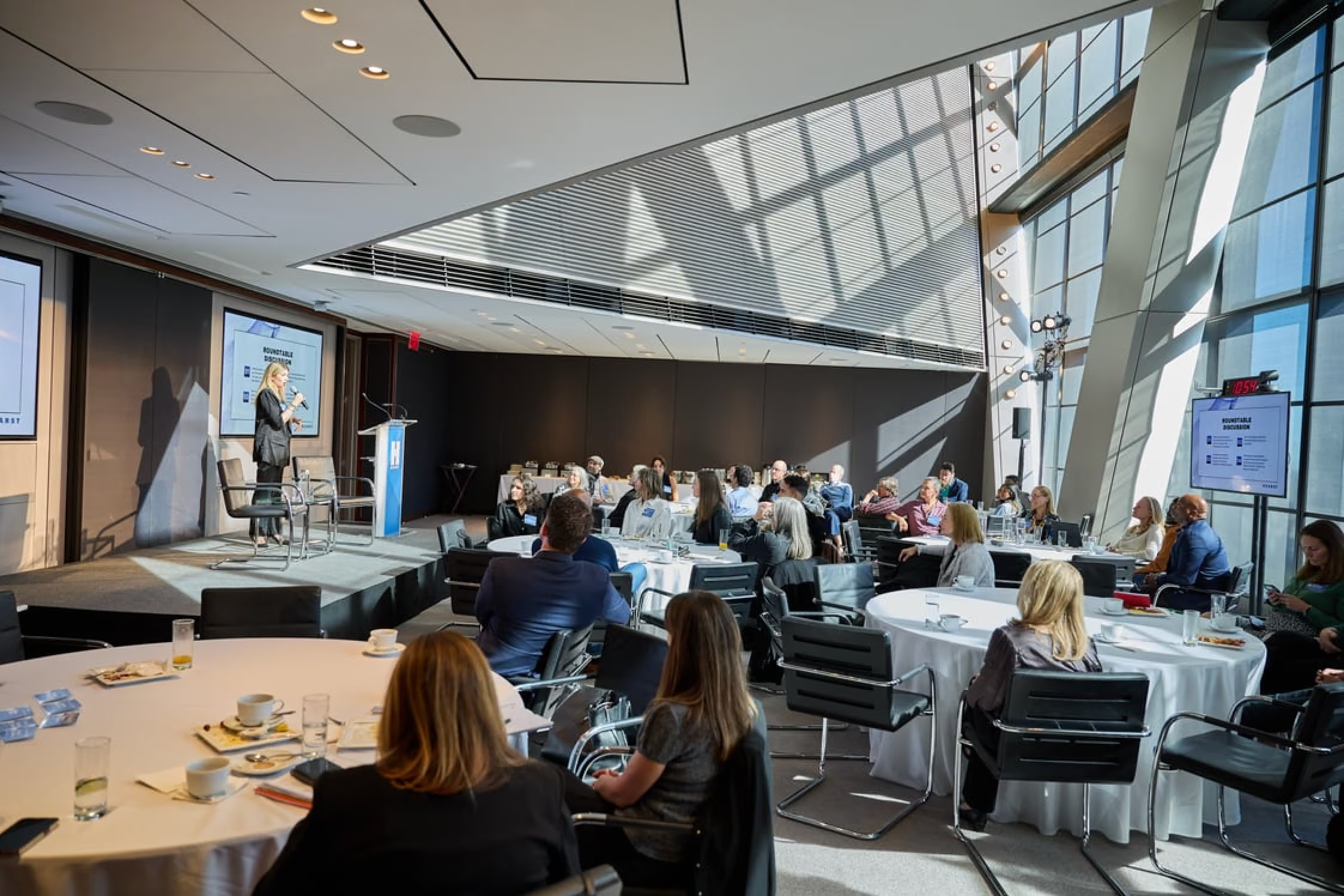 Isabel greets attendees at the Neurodiversity@Work Summit.
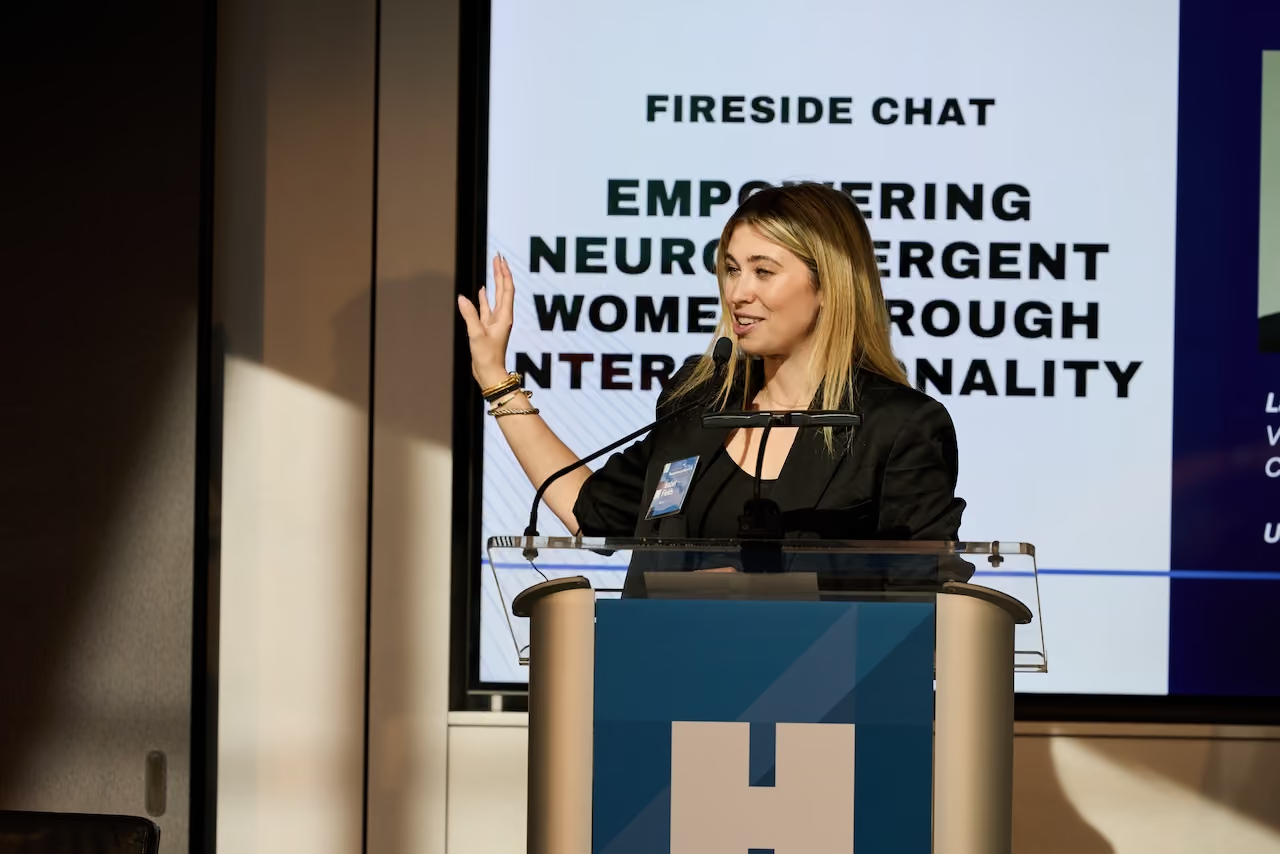
“We believe in the power of collaboration, and we’re dedicated to sharing our insights and best practices with other organizations that value neurodiversity in the workplace,” says Isabel. “We regularly host summits with leading employers and partners—including EY, PNC, AMEX, Deutsche Bank, KPMG, and others—focused on topics like the intersectionality of women and ADHD and the benefits of neurodiverse hiring. These events create opportunities for open dialogue and mutual learning, all aimed at advancing neuroinclusion.”
Hearst’s workplace culture is strengthened by a range of inclusive resources. Additional examples include a broad range of Employee Resource Groups (ERGs) and a comprehensive benefits package to support colleagues’ wellbeing, including a partnership with Joshin, which provides tailored coaching and resources for neurodiverse individuals and their families. Mental health support through Spring Health empowers all colleagues to thrive. The message is clear: prioritizing the wellbeing of colleagues and their families helps everyone succeed.
Inspiring Conversations
Hearst brands are also using their platforms to advance inclusive narratives.
“Storytelling is a powerful tool in raising awareness and normalizing conversations around neurodiversity, and we’re proud of the work our brands do to drive this important dialogue,” Isabel says.
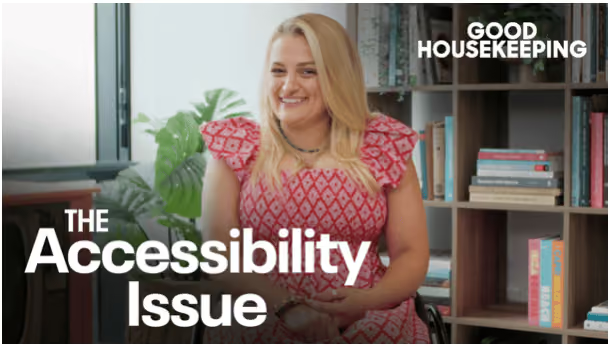
The Good Housekeeping special issue featured Broadway star Ali Stroker, stories from the disabled community and smart solutions to future-proof your home.
Isabel cites Good Housekeeping, which recently published its first-ever “Accessibility Issue,” for shining a spotlight on stories and solutions that make life more inclusive for individuals with disabilities and neurodivergent traits. Similarly, Men’s Health has explored topics like mental health and ADHD, while the San Francisco Chronicle has highlighted the lived experiences of individuals navigating neurodiversity in the workplace and beyond. The Chronicle also recently launched a new audio accessibility feature for most articles, further enhancing inclusivity for all readers.
Inclusivity means hearing from many different voices, including highly skilled neurodiverse individuals who are vital to our company ecosystem. Discover more about our Culture of Care and join us in fostering inclusivity—explore current job opportunities on our Life at Hearst page.
- 15Five
- 1Password
- 2U, Inc.
- 33Across
- 7Park Data, Inc.
- AAA
- Abbvie
- Accenture
- ActZero.ai
- Adidas
- Adobe Systems Incorporated
- ADP
- AdRoll
- Aetna
- Aetna, a CVS Health Company
- Afterpay
- Airkit
- AlertMedia
- Alloy
- Amazon
- AMC Networks
- American Express Company
- Andela
- Apartment Therapy Media
- Apple
- AppNexus, a Xandr Company
- Arch Insurance
- Arize AI
- Arrow Electronics
- Art Processors
- Asana
- Ask Rachel
- ASM
- Atlassian
- Attune Insurance Services, LLC
- Audible
- Aurora Solar
- Autodesk
- Automattic
- Avaaz
- Avanade
- Avery Dennison
- Back Market
- Bank of America
- Better Companies
- Better Mortgage
- BioRender
- Black Community
- BlackRock
- Blockstack
- Blog
- Bloomberg LP
- Blue Cross and Blue Shield North Carolina
- Bluecore Inc
- Boeing
- BounceX
- Bounteous
- Braintree
- Bridgewater Associates
- Bristol Myers Squibb
- Buffer
- Bumble
- Buzzfeed
- Cable News Network, Inc.
- CallRail
- Calm
- Camunda
- Capco
- Capital One
- Carbon Direct
- CardFlight
- Career and Interview Tips
- CarGurus
- Carvana
- Casper
- CB Insights
- CDW
- Celonis
- CenturyLink Inc.
- Chainalysis Inc.
- charity: water
- Checkr
- CHG Healthcare
- Chingari
- Chubbies
- Ciena
- CircleCI
- Cisco Meraki
- Citi
- Clarus Commerce
- Clarvida
- CLEAR
- CloudBees, Inc.
- Cloudflare
- CLS
- Clyde
- Co-Op
- Cockroach Labs
- Collective Insights
- Collins Aerospace
- Comlinkdata
- Commvault
- Companies That Care
- Compass
- Condé Nast
- Contentful
- Contrast Security
- Convoy
- Costar Group
- CoverMyMeds
- Cribl
- Crowdstreet
- Cruise
- CSL
- CU Direct
- Culture Amp
- Cummins
- Dassault Systemes
- Datadog
- Def Method
- Deliveroo
- Delivery Hero
- Dell Technologies
- Deloitte
- Delphix
- Deutsche Bank AG
- DigitalOcean
- Dishcraft Robotics
- Diversity Reboot Newsletter
- Diversity Reboot Summit 2020 Product Expo
- Diversity Reboot Summit 2021 Virtual Booths
- Diversity Reboot Summit Speakers
- DocuSign
- Dow Jones Company
- DreamSpring
- Dropbox
- Duck Creek Technologies
- DuckDuckGo
- dv01
- Dynatrace
- EDO, Inc
- Elastic
- Enbridge
- Energy Impact Partners
- EnerSys
- Equinix
- Esri
- Expedia Group
- Fair
- FairFrame
- Featured Post
- Featured Talks
- Fidelity
- Flatiron Health Inc
- Flexport, Inc.
- Flocabulary
- Flywheel
- Folsom Labs
- For Employers
- Forbes Media
- Forward
- Freddie Mac
- FTI Consulting
- fuboTV
- G2i
- Gainsight, Inc.
- Gamechanger
- Gantry
- General Assembly
- GitLab
- GoEuro Travel GmbH
- Goldman Sachs
- Good Money
- Google Inc
- GoTo
- Greenhouse Software
- Guru
- Halliburton
- HashiCorp
- Headway
- HealthEdge
- Healthfirst Inc
- Hearst
- Hearst Television
- Helix
- Helm
- Help Scout
- Hitachi Energy
- Homecare Homebase
- Hopin LTD
- Hult EF
- Hyperloop
- impact-com
- Imply
- In Person Events
- InDebted
- Indeed
- insightsoftware
- Intent
- Intuit
- Intuitive
- Invesco
- Jama Software
- Jamf
- Jemstep
- Jobs
- Johnson & Johnson
- Join Now
- Joor Inc
- Juniper Networks, Inc.
- Justworks
- JW PLAYER
- Kami
- Karat
- Kargo
- Katharine Zaleski's Blog
- Kensho Technologies
- KeyCaliber
- Kin + Carta
- Kinaxis
- Kinesso
- Kiva
- Knotel, Inc.
- L3 Technologies
- Lattice
- LendingClub
- LetsGetChecked
- Liberty Hill Foundation
- Light & Wonder
- LiveSafe
- Lockheed Martin
- Log In
- Logickull
- Logikcull
- Logitech
- Logiworks
- Lyft
- Managed By Q Inc
- Manifold.co
- Marqeta
- Mastercard
- Match Group
- Match.com
- McMaster-Carr Supply
- Meredith Corporation
- Meta
- Metromile, Inc.
- Microsoft Corporation
- Millennium Management
- Mindbody
- MiQ
- Mission
- Mitsubishi Power
- MongoDB
- Moody's
- Moov Financial
- Morgan Stanley
- Morning Consult
- Motivate
- Munich RE
- MURAL
- MyFitnessPal
- Myriad360
- Nacelle
- nascar
- National Geospatial-Intelligence Agency
- National Security Agency (NSA)
- Nba
- NBCUniversal
- Nestlé
- Netskope
- New Relic
- New York Life Insurance Company
- Nextdoor.com, Inc.
- Nike Inc
- Nokia
- Noodle
- Northrop Grumman
- Novelis Inc.
- Nowsta
- OfferUp
- OkCupid
- Okta, Inc.
- Olive
- One Medical
- OneLogin, Inc.
- OpenTable
- Optoro
- ORTEC
- Oscar Insurance Corp
- OUTFRONT Media Inc.
- Pacific Western Bank
- Packet
- PagerDuty
- Partnership on AI to Benefit People and Society
- Pax Labs Inc
- Pax8
- Paylocity
- Paypal
- Peloton
- PepsiCo
- Philo
- Pitney Bowes Inc.
- PlayStation
- Plectica
- Plenty Of Fish
- Plex
- Pluralsight
- Polis, Inc.
- popular
- PowerToFly Hires
- PowerToFly VIP
- Press
- Previous Event
- Priceline
- Primer
- Procore Technologies Inc
- Product Updates
- Projector
- PromptWorks
- PwC
- pymetrics
- Qualtrics
- Quicken Loans
- Quip
- Random
- RapidScale
- RapidSOS
- Raytheon Technologies
- Realtor.com
- RebelMouse
- RebelMouse Test
- Reddit, Inc.
- Reference Point
- Relativity
- Remote
- Remote Hiring
- Rest Of World
- Ribbon
- Riot Games Inc
- Rockstar Games
- Rover
- RTB House
- S&P Global Inc
- Samsara
- Sapient Consulting
- Sauce Labs
- Schneider Electric
- ScienceLogic
- Scout RFP
- SeatGeek
- SendGrid
- Sentropy Technologies
- Sephora
- ServiceNow
- SevenFifty
- Shield AI
- Shogun
- Shopify Inc.
- Shure
- Siemens
- Skedulo
- Slack Technologies, LLC, a Salesforce company
- Smartsheet Inc.
- Snap Inc.
- SoftwareOne
- Solo Brands
- Solstice
- Sonos
- SoundCloud Inc.
- Spectrum
- Splunk
- Spoiler Alert
- Spot AI
- Spotify
- Stack Overflow
- Stash
- State Listings Inc.
- Stem Disintermedia
- StockX LLC
- Stripe
- Stryker
- SumOfUs
- Sun Life US
- Surescripts LLC
- SV Academy
- Symantec
- Synchrony
- T Rowe Price
- Tackle.io
- Talent Sourcing Trends
- Tandem Diabetes
- Teachers Pay Teachers
- Tech Talk
- Tenable
- Tesla
- Testimonials
- Textio
- Thales Usa Inc.
- The Recycling Partnership
- The Walt Disney Company
- Thomson Reuters
- Thornburg Investment Management
- Thoughtbot
- Thrive Global
- Thumbtack
- Time Inc
- Tinder
- Tiny Mile
- Tiugo Technologies
- TodayTix
- Trail of Bits
- TrussWorks, Inc
- TURO
- Uber
- Ubiquity6
- Udemy
- UiPath, Inc.
- UKG
- United Technologies
- UnitedHealth Group
- Unstoppable Domains
- Upcoming Event
- uShip, Inc.
- Vanguard
- varicent
- Veracode
- Verisign
- Verizon Communications
- Viacom Inc.
- Viasat
- VICE Media Group
- VideoAmp
- Virtu Financial
- Visa
- Vizient
- Vouch Insurance
- Vrbo
- VTS
- Waters Corporation
- Wayfair Inc.
- Webinars
- Wells Fargo Company
- WeWork
- Wolters Kluwer
- Women at Work
- Work & Co
- Work-Life Integration
- Workiva
- WW (Formerly Weight Watchers)
- Yelp Inc.
- YouCanBook.me
- Yougov
- Zapier Inc
- Zendesk, Inc.
- Zeta Global
- Zillow
- Zoom
- ZwillGen
- Zynga