

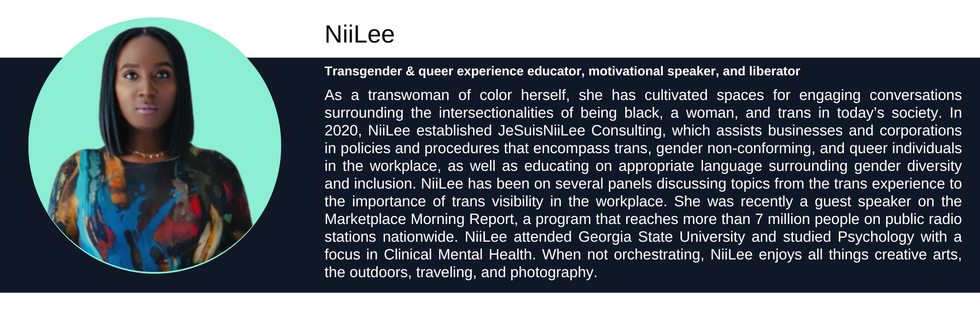
Zara Chaudary, Global P&C Manager at PowerToFly, and guest speaker Niilee shared their expertise and insights on how we can better support our LGBTQIA+ colleagues in the workplace.

In the spirit of continued learning, we're sharing access to the Courageous Conversation so that you can watch it on your own time and learn more from our subject matter expert.
📝Key Takeaways
After watching the session, you will gain the following insights and actionable steps:
1. Question Your Definition of Allyship
Key Takeaway: True allyship isn't a self-proclaimed identity or badge of honor that makes you feel good about yourself. It requires deep introspection about why being an "ally" matters to you and what selfish motivations might be driving that desire for the label.
Action Item: Ask yourself honestly: "Why is allyship important to me?" Dig beneath surface-level answers like "I'm a good person" to uncover any self-serving motivations. Consider using terms like "pro-queer" or "pro-trans" instead, which leave room for acknowledging your ongoing biases while committing to harm reduction.
2. Understand That We All Have Internalized Biases to Unlearn
Key Takeaway: Even LGBTQIA+ community members have internalized transphobia, homophobia, and other biases from societal conditioning. Everyone needs to actively unlearn and relearn how they think about gender and sexuality, moving away from cisgender heteronormativity as the default baseline.
Action Item: Practice using inclusive language in everyday conversations - say "Do you have a partner?" instead of "Do you have a husband or wife?" Actively retrain your brain to not assume everyone is cisgender and straight, and examine why certain identities or expressions make you uncomfortable.
3. Ask "How Can I Show Up for You?" Rather Than Assuming
Key Takeaway: Support looks different for everyone. Some people want public advocacy, others prefer behind-the-scenes support. For some, drawing attention to discrimination could put them in more danger, especially regarding disclosure and outing in the workplace.
Action Item: When you witness inappropriate behavior or want to support a colleague, directly ask them: "I saw/heard something. Are you okay? How can I show up for you?" Then respect their boundaries and follow their lead, rather than assuming you know the best way to help or taking action without their consent.
🗣️About Our Subject Matter Expert
📽️ Access the Recording

📊 What Comes Next?
After watching the recording, please take a few minutes to complete our FEEDBACK SURVEY.Your insights will help us enhance future Courageous Conversations.
